Clean water should not be something you have to think twice about. Reliant Plumbing & Heating installs water filtration and water treatment systems for homeowners throughout Exeter and surrounding communities, and with more than 20 years of experience, we help customers improve water quality with solutions that fit their home’s specific needs. From water softeners and reverse osmosis systems to whole-house filtration equipment, call us for a complimentary inspection and quote.
Find the Right Water Treatment System
Every home has different water conditions, which is why there is no single filtration system that works for everyone. The first step is understanding what is in your water and selecting equipment designed to address those specific concerns. Our team takes the time to explain your options so you can make an informed decision.
Our Water Filtration Services
Start With Water Testing
Water can contain minerals, sediment, chlorine, acidity, or other contaminants that affect taste, odor, plumbing fixtures, and appliances. Testing helps identify what should be addressed before selecting a treatment system. Rather than relying on guesswork, we recommend equipment based on the actual condition of your water.
Match the Equipment to Your Water
Some homes benefit from a whole-house filtration system, while others may need a water softener, reverse osmosis system, or a combination of treatment methods. We look at your water quality, household size, and plumbing system to recommend a solution that makes sense for your home.

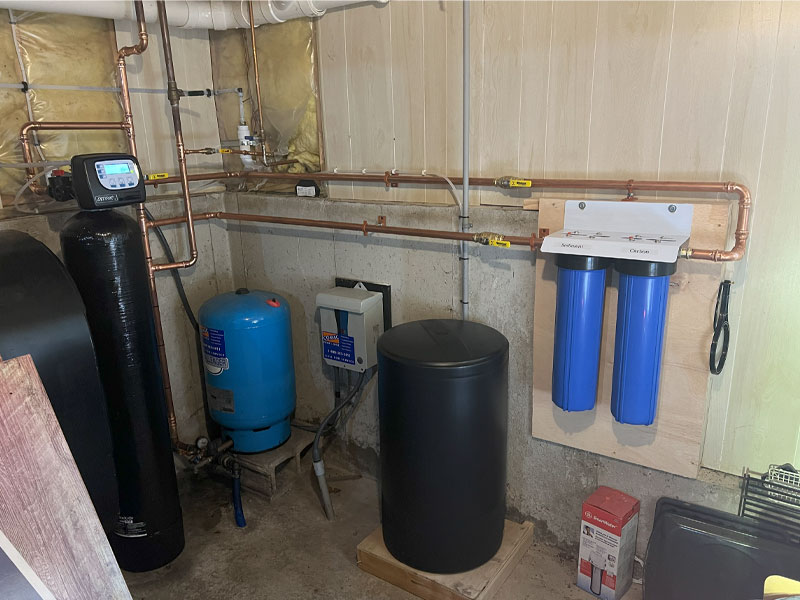
Water Treatment Systems We Install
Reliant Plumbing & Heating installs a variety of residential water treatment systems designed to improve water quality, protect plumbing, and provide cleaner drinking water throughout the home.
Whole-House Water Filtration Systems
A whole-house filtration system treats water as it enters the home so every faucet, shower, appliance, and plumbing fixture benefits from filtered water. These systems can reduce sediment, chlorine, and other contaminants while improving the overall quality of the household water supply.
Water Softeners
Hard water leaves mineral deposits inside plumbing pipes, water heaters, faucets, and appliances. Over time, that buildup can reduce efficiency and shorten equipment life. A properly sized water softener helps reduce mineral accumulation while making soaps and detergents work more effectively.
Reverse Osmosis Systems
Reverse osmosis systems, often called RO systems, provide highly purified drinking water by passing water through multiple stages of filtration. These systems are commonly installed beneath kitchen sinks and can reduce many dissolved contaminants while improving the taste and clarity of drinking water.
Carbon Filters
Carbon filtration systems help reduce chlorine, unpleasant tastes, and odors commonly found in municipal water supplies. Many homeowners choose carbon filters to improve the quality of their drinking water while also making water throughout the home more pleasant to use.
Sediment Filters
Sediment filters capture sand, rust, dirt, and other particles before they travel through your plumbing system. Removing sediment helps protect fixtures, appliances, and other filtration equipment while improving overall water quality.
Acid Neutralizers
Homes with acidic well water often experience premature wear on copper piping, plumbing fixtures, and water heaters. Acid neutralizer systems raise water pH to help reduce corrosion and extend the life of the plumbing system.
PFAS and PFOA Water Filtration
Concerns about PFAS and PFOA, often referred to as “forever chemicals,” have led many homeowners to explore additional water treatment options. Depending on water test results, specialized filtration systems may be recommended to reduce these contaminants and improve drinking water quality.
Sediment Filter Installation in Exeter
Homes with private wells can sometimes have fine sand, silt, rust, or other particles in the water supply. In Exeter and across southern New Hampshire, a sediment filter can provide a practical first line of treatment by removing this material before the water moves farther through the home’s plumbing.
Reliant Plumbing & Heating can install sediment filtration as a standalone solution or as part of a multi-stage water treatment system. Removing particulate matter early can also help protect softeners, carbon filters, and other treatment equipment installed farther along the water line.
Why Professional Installation Matters
Size the System Correctly
Every household uses water differently. The number of occupants, plumbing fixtures, and daily water usage all influence the size and capacity of the filtration equipment. Installing the right system helps maintain consistent water flow while providing effective treatment.
Install Equipment in the Right Location
Water treatment systems should be installed where they remain accessible for service while integrating properly with the home’s plumbing. Careful planning also makes future filter changes and maintenance easier.
Plan for Future Maintenance
Every water treatment system requires some level of maintenance, whether that involves replacing filters, replenishing media, or servicing individual components. We explain what your system needs so you know what to expect long after installation is complete.
Areas We Serve
Reliant Plumbing & Heating installs water filtration systems throughout Exeter and surrounding communities across southern New Hampshire and northeastern Massachusetts. We regularly serve homeowners in Kingston, Stratham, Hampton, North Hampton, Seabrook, Newton, East Kingston, Kensington, Rye, Greenland, Portsmouth, Amesbury, Haverhill, and nearby communities. If you are unsure whether your home falls within our service area, give us a call and we will be happy to help.
Water Filtration System FAQs
Should Every Home Have a Water Filtration System?
Not every home has the same water quality, but nearly every water supply contains characteristics that can be improved. Some homeowners are concerned about taste or odor, while others want to reduce sediment, hard water minerals, or specific contaminants. Water testing provides the information needed to determine whether filtration would benefit your home and which type of system would be most effective.
What’s the Difference Between a Water Softener and a Water Filter?
A water softener is designed to reduce calcium and magnesium, the minerals responsible for hard water. A water filtration system targets other contaminants such as chlorine, sediment, or certain chemicals. Many homes benefit from both systems working together because they solve different water quality issues.
Is Reverse Osmosis Water Safe to Drink?
Yes. Reverse osmosis systems produce clean, high-quality drinking water by removing many dissolved contaminants through multiple stages of filtration. These systems are commonly installed beneath kitchen sinks and are a popular choice for homeowners looking to improve drinking water quality.
Can a Water Filtration System Remove PFAS or PFOA?
Certain water treatment systems are specifically designed to reduce PFAS and PFOA, but not every filter is capable of doing so. Water testing helps identify whether these contaminants are present and allows us to recommend equipment that matches your home’s needs.
Will a Water Softener Protect My Plumbing?
A water softener can help reduce mineral scale that builds up inside pipes, water heaters, and plumbing fixtures. Less scale buildup often improves water flow, helps appliances operate more efficiently, and can extend the service life of plumbing components throughout the home.
How Often Do Water Filters Need Maintenance?
Maintenance depends on the type of equipment, household water usage, and the quality of the incoming water. Some filters require replacement every few months, while others last much longer. We explain the maintenance schedule for every system we install so there are no surprises later.
Can I Add a Water Treatment System to Existing Plumbing?
Yes. Most homes can be fitted with a water treatment system without extensive plumbing modifications. During your consultation, we evaluate the existing plumbing, recommend the best installation location, and explain how the new equipment will integrate with your home’s current system.